Find services that offer comprehensive protection for Google Ads spend.
Understanding the Need for Google Ads Protection In the fast-paced digital marketing landscape, Google Ads ...

Click fraud represents a significant challenge in the world of Pay-Per-Click (PPC) advertising. It occurs when individuals or automated scripts mimic legitimate users by clicking on ads with malicious intent. This fraudulent activity can lead to inflated advertising costs and skewed analytics, making it harder to gauge the true effectiveness of campaigns. Understanding the mechanics and motives behind click fraud is crucial for any business investing in PPC.
The primary drivers of click fraud include competitors aiming to exhaust a rival’s ad budget, publishers seeking increased revenue, and even cybercriminals testing broader fraud strategies. Recognizing the prevalence of click fraud in PPC campaigns is the first step towards implementing effective prevention strategies. A comprehensive approach to tackling click fraud begins with an in-depth understanding of its implications on your marketing efforts and bottom line.
Identifying the signs of click fraud early can save your business significant resources. One of the most common indicators is an unusual spike in clicks without a corresponding increase in conversions. This discrepancy often suggests that the clicks are not from genuine potential customers. Additionally, an abnormally high click-through rate (CTR) in comparison to industry standards could signal fraudulent activity.
Other signs include a sudden increase in traffic from unfamiliar geographic locations or devices that don’t align with your target audience. Monitoring these metrics regularly can help in pinpointing suspicious activities. Implementing a robust tracking system to analyze patterns and behaviors is essential. This not only helps in detecting fraud but also in maintaining the integrity of your PPC campaigns.
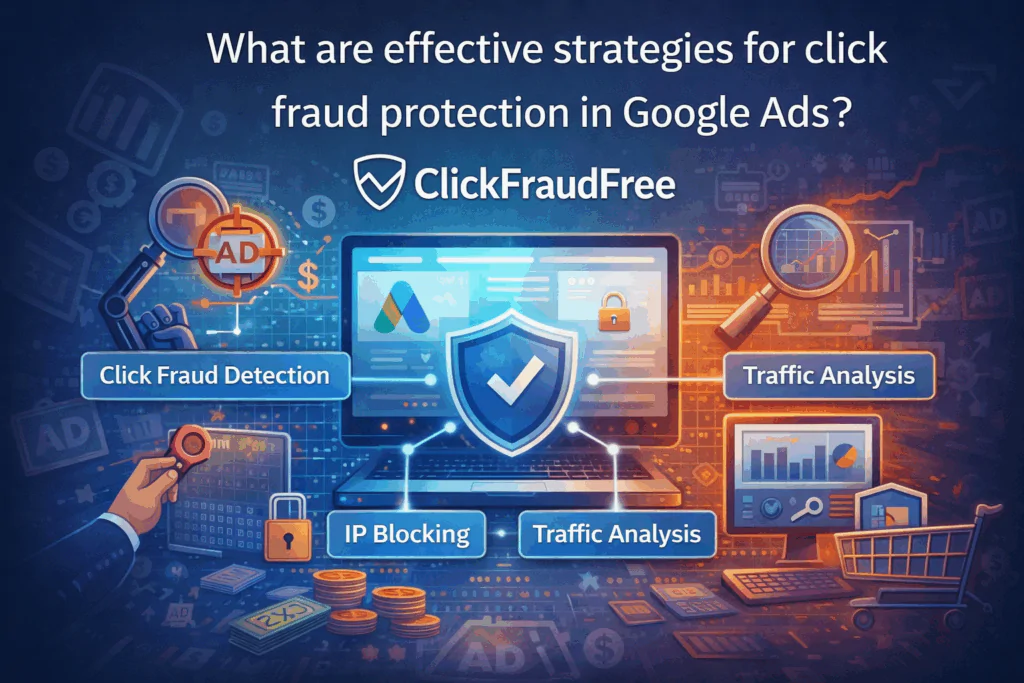
To combat click fraud effectively, employing click fraud detection tools is essential. These tools are designed to detect and block fraudulent clicks in real-time, ensuring that your advertising budget is spent wisely. Many advanced solutions offer features like IP blocking, geolocation tracking, and pattern recognition, providing a comprehensive shield against click fraud.
Some of the most popular tools include ClickCease, PPC Protect, and Fraudlogix, each offering unique capabilities tailored to different business needs. These platforms not only help in identifying fraudulent activities but also provide detailed reports to aid in strategic decision-making. By integrating these tools, businesses can maintain accurate campaign metrics and enhance the overall performance of their PPC efforts.
To effectively combat click fraud in your PPC campaigns, implementing IP exclusions is one of the most practical strategies. By identifying and blocking the IP addresses that repetitively engage in fraudulent clicking, you can significantly reduce unnecessary expenditure and enhance your campaign’s ROI. This method requires constant monitoring to identify suspicious activity patterns, ensuring that resources are not wasted on invalid clicks.
Using analytics tools, you can track and pinpoint the IP addresses that are generating suspicious clicks. After gathering sufficient data, these IP addresses can be added to a blacklist within your advertising platform. This proactive approach not only helps in saving your advertising budget but also optimizes your ad performance by targeting genuine potential customers. Consistent monitoring and updating of this list are crucial as fraudsters often change their tactics.
Geotargeting is a strategic method that helps advertisers focus their PPC campaigns on specific geographic locations. By doing so, businesses can reduce click fraud by excluding areas known for fraudulent activities. This strategy allows advertisers to allocate their budget towards regions with a higher conversion potential, thus enhancing the overall efficiency of their campaigns.
By analyzing past campaign data, advertisers can identify regions with high rates of suspicious activity and adjust their geotargeting settings accordingly. This not only minimizes click fraud but also ensures that your ads reach an audience that is more likely to engage genuinely with your offerings. Geotargeting should be combined with other strategies like IP exclusions for maximum effectiveness.
Setting click limits on your PPC campaigns is an effective way to mitigate the negative impacts of click fraud. This involves configuring your campaigns to limit the number of clicks from a single user or IP address within a certain timeframe. By doing so, you can prevent fraudulent actors from relentlessly clicking on your ads, thus protecting your budget and improving campaign performance.
Click limits can be customized based on your campaign’s needs and the typical behavior of your target audience. Regularly reviewing and adjusting these limits is essential to accommodate any changes in user behavior or emerging click fraud tactics. This strategy, combined with vigilant monitoring and other protective measures, can significantly enhance the integrity of your PPC efforts.
Monitoring campaign performance is a crucial strategy in preventing click fraud in PPC campaigns. By keeping a close eye on key metrics such as click-through rates (CTR) and conversion rates, advertisers can quickly identify unusual patterns that may indicate fraudulent activity. Regularly reviewing these metrics allows for timely interventions, ensuring that the ad spend is utilized effectively.
Employing robust analytics tools can help marketers gain insights into the performance of their campaigns. These tools offer real-time data, making it easier to detect discrepancies and anomalies. By setting up alerts for unexpected spikes in clicks or sudden drops in conversions, advertisers can take immediate action to mitigate potential fraud. This proactive approach is essential in maintaining the integrity of your PPC campaigns.
Understanding and analyzing traffic sources is essential for identifying and preventing click fraud. By examining where the clicks are coming from, advertisers can pinpoint suspicious patterns and take necessary actions. Traffic sources that consistently show high bounce rates or low engagement should be scrutinized further to ensure they are legitimate.
Implementing tools that provide detailed insights into traffic sources can be a game-changer. Marketers can utilize geo-targeting to restrict traffic from locations known for high levels of click fraud. Additionally, setting up IP exclusion lists can help block traffic from sources that have previously been identified as fraudulent. These measures, when implemented effectively, can significantly reduce the risk of click fraud in PPC campaigns.
Conversion tracking is a pivotal tool in combating click fraud in PPC campaigns. By measuring the number of conversions relative to clicks, advertisers can assess the quality of traffic generated by their ads. A low conversion rate could be an indicator of click fraud, prompting further investigation into the source of the traffic.
Setting up conversion tracking involves integrating tracking codes across your website and ad platforms. This allows for a comprehensive view of the customer journey from click to conversion. By analyzing this data, marketers can optimize their campaigns for better performance, ensuring that budgets are being used effectively and that suspicious activity is promptly addressed.
Collaborating with reliable ad networks is a crucial strategy in safeguarding your Pay-Per-Click (PPC) campaigns against click fraud. These networks employ advanced algorithms and monitoring systems to detect and filter out fraudulent clicks, ensuring that your advertising budget is spent efficiently. By choosing a trusted partner, you can benefit from their expertise in identifying suspicious patterns and taking proactive measures to mitigate risks, which ultimately enhances the performance of your campaigns.
Reliable networks often provide detailed reports and analytics that help you understand the behavior of your audience. These insights can guide your decisions and enable you to adjust your strategies in real-time to counteract potential threats. Moreover, partnering with networks that prioritize transparency and communication can foster a collaborative relationship, where both parties work together to protect your interests. This partnership can lead to a more secure and successful advertising experience.
Understanding the Need for Google Ads Protection In the fast-paced digital marketing landscape, Google Ads ...
Understanding Click Fraud Click fraud is a malicious activity where individuals or automated scripts mimic ...
Understanding Click Fraud and Its Impact Click fraud is a deceptive practice that involves generating ...
Understanding Click Fraud in PPC Click fraud is a deceptive practice that significantly impacts Pay-Per-Click ...
How MCC Accounts Elevate Your Google Ads Campaigns with ClickFraudFree Protection In the dynamic realm ...
Understanding and Countering Click Fraud: Tips from ClickFraudFree Understanding and countering click fraud is essential ...
Introduction to PPC Ad Management Pay-per-click (PPC) advertising is a powerful tool that allows businesses ...
Understanding Click Fraud in Google Ads Click fraud is a significant concern for advertisers using ...

Unlocking Revenue – Monetizing Your Campaigns with ClickFraudFree In the ever-evolving landscape of digital advertising, ...
Understanding Click Fraud in Google Ads Click fraud is a significant challenge in the realm ...
Understanding Click Fraud in PPC Campaigns Click fraud is a significant concern in PPC campaigns, ...
Losing Ad Dollars to Bots? ClickFraudFree Is the Fix You Need Click fraud is more ...
Start WhatsApp