
The Importance of Transparent Analytics in Click Fraud Prevention
The Importance of Transparent Analytics in Click Fraud Prevention In the ever-evolving landscape of digital ...
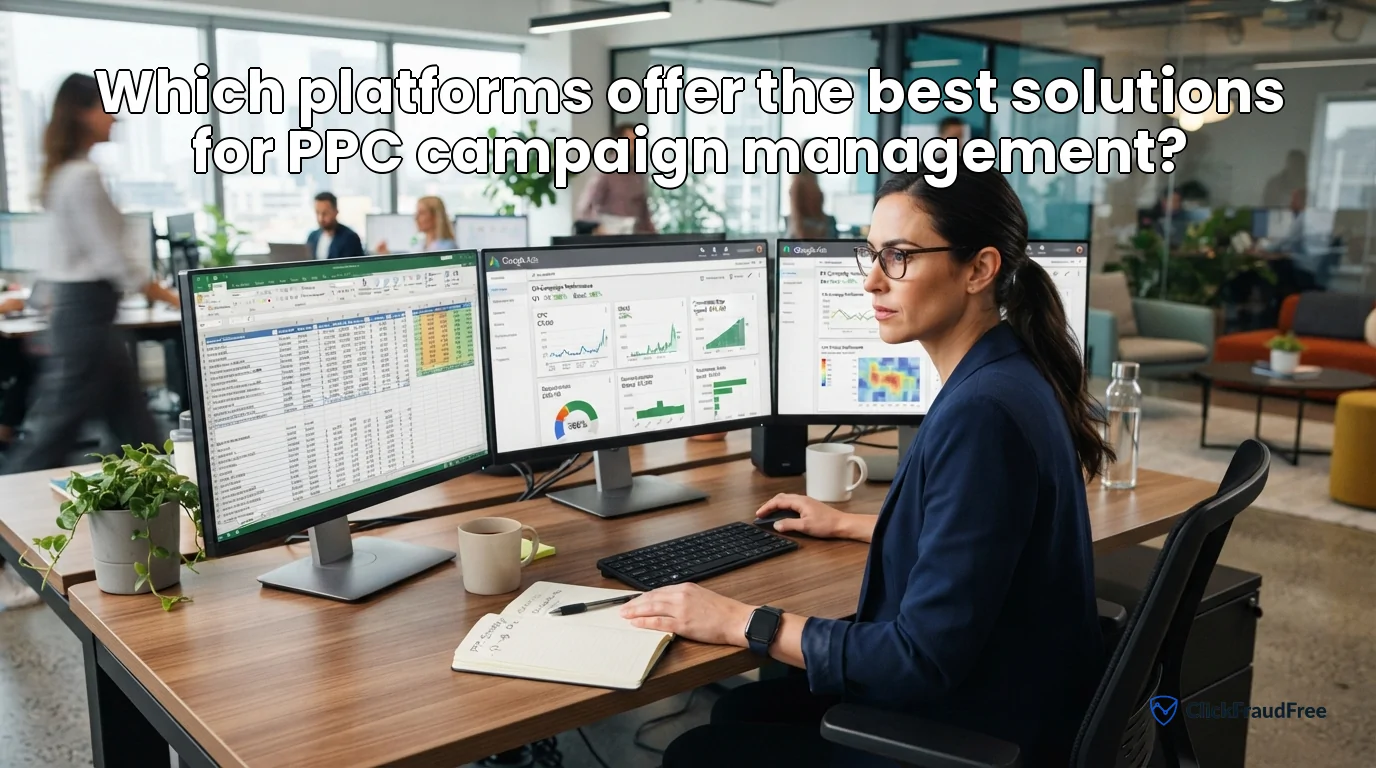
Pay-Per-Click (PPC) campaign management is a crucial aspect of digital marketing that involves the strategic planning and execution of paid advertising campaigns. It requires a deep understanding of target audience behavior, effective keyword selection, and budget allocation to maximize return on investment. A well-managed PPC campaign can drive significant traffic to your website, increase conversions, and enhance brand visibility.
For businesses aiming to thrive in the competitive US market, understanding the nuances of PPC management is essential. This involves continuously analyzing campaign performance, optimizing ad copy, and adjusting bids based on real-time data. By leveraging advanced analytics and automated tools, marketers can make data-driven decisions that align with their business goals. In this dynamic landscape, the ability to adapt quickly to changing market conditions and customer preferences is key to success.
In the realm of PPC campaign management, choosing the right platform is a critical decision that can influence the success of your advertising efforts. Leading PPC platforms offer a variety of features designed to enhance campaign performance and streamline management processes. Automated bidding strategies allow advertisers to optimize their bids based on performance goals, while advanced targeting options ensure ads reach the most relevant audiences.
Another essential feature is comprehensive analytics, which provides insights into campaign performance and helps identify areas for improvement. Platforms with robust integration capabilities enable seamless data synchronization with other marketing tools, allowing for a more holistic approach to campaign management. Additionally, user-friendly interfaces and customizable dashboards can improve efficiency and allow marketers to focus on strategy rather than administrative tasks.
Google Ads stands as the industry standard in PPC campaign management, renowned for its expansive reach and powerful capabilities. As a pioneer in the field, Google Ads offers unparalleled access to the largest search engine, ensuring your ads reach a vast audience. With its sophisticated targeting options, advertisers can tailor campaigns to specific demographics, locations, and user behaviors, maximizing the potential for conversion.
The platform’s integration with Google Analytics provides in-depth insights into user interactions, allowing marketers to fine-tune their strategies for optimal performance. Additionally, Google’s robust keyword research tools help advertisers identify the most effective terms to target, enhancing campaign relevance and effectiveness. For businesses seeking to dominate their digital marketing efforts, Google Ads offers a comprehensive suite of tools designed to drive success in the competitive landscape of online advertising.
Microsoft Advertising stands as a formidable platform for PPC campaign management, offering unique advantages that can enhance your advertising strategy. One of the key benefits is its integration with the Bing search engine, allowing businesses to reach a diverse audience that may not be accessible through other platforms. Bing’s search share in the US is significant, providing access to millions of potential customers who actively engage with search ads.
Moreover, Microsoft Advertising offers sophisticated targeting options that can significantly improve campaign effectiveness. Advertisers can utilize demographic and geographic targeting to tailor their ads to specific audiences, increasing the likelihood of engagement and conversion. Additionally, the platform’s cost-per-click (CPC) rates are often more competitive than other major networks, allowing for a higher return on ad spend (ROAS).
Facebook Ads provides an unparalleled opportunity for businesses to reach highly targeted audiences. With its extensive user base in the United States, Facebook allows advertisers to drill down into specific demographics, interests, and behaviors, ensuring that ads are seen by the most relevant potential customers. This level of targeting precision helps in optimizing ad spend and improving conversion rates.
One of the remarkable features of Facebook Ads is its robust analytics and reporting tools. These tools offer insights into campaign performance, enabling advertisers to make data-driven decisions to refine their strategies. Additionally, the platform supports a variety of ad formats, from image and video ads to carousel and collection ads, each designed to capture attention and drive engagement.
Amazon Advertising is a crucial tool for e-commerce businesses aiming to boost their product visibility and sales within the competitive online marketplace. With its ability to target shoppers based on their buying behavior and search history, Amazon Advertising ensures that your products are placed in front of highly interested consumers. This precision targeting is instrumental in driving higher conversion rates and maximizing sales potential.
Additionally, Amazon offers a variety of ad types, including Sponsored Products, Sponsored Brands, and Sponsored Display ads, each tailored to meet specific marketing objectives. These ad formats provide flexibility in how products are promoted, allowing businesses to showcase their offerings effectively. Furthermore, Amazon’s data-driven insights and reporting tools empower advertisers to continuously optimize their campaigns for better performance.
In the competitive landscape of digital advertising, choosing the right PPC automation tools is crucial for maximizing efficiency and performance. There are several platforms that offer advanced features to streamline campaign management and optimize results. Google Ads and Microsoft Advertising are two of the most widely used platforms, each providing robust solutions to enhance campaign productivity. Google Ads offers features like automated bidding and ad suggestions, whereas Microsoft Advertising provides unique tools such as LinkedIn profile targeting.
Other notable platforms include ClickFraudFree US, which specializes in detecting and preventing click fraud in real time. This platform is particularly beneficial for businesses operating in high-CPC environments, ensuring that ad spend is protected from invalid traffic. Additionally, platforms like WordStream and AdEspresso offer user-friendly interfaces that simplify the management of multiple PPC accounts. These tools are ideal for small to medium-sized businesses looking to enhance their advertising strategies without extensive technical knowledge.
When selecting a PPC automation tool, consider factors such as integration capabilities, ease of use, and the specific needs of your business. A well-chosen tool can significantly enhance your advertising efforts, leading to better ROI and more effective campaign management.
Smart Bidding strategies have revolutionized the way advertisers maximize their return on investment (ROI) in PPC campaigns. By leveraging advanced machine learning algorithms, Smart Bidding optimizes bids for each auction, ensuring the best possible outcomes based on predefined goals. Google’s Smart Bidding offers several strategies, such as Target CPA, Target ROAS, and Enhanced CPC, each designed to align with different campaign objectives.
To effectively utilize Smart Bidding, it’s crucial to set clear performance goals and regularly monitor campaign metrics. Smart Bidding strategies require a sufficient amount of conversion data to function optimally, so it’s important to ensure campaigns are well-established before making the switch. Additionally, consider the competitive landscape and adjust your strategies accordingly to maintain an edge over competitors.
Incorporating Smart Bidding into your PPC strategy can lead to substantial improvements in campaign performance, making it an invaluable tool for advertisers focused on achieving high ROI.
Analytics play a pivotal role in the success of PPC campaigns, providing invaluable insights into performance metrics and user behavior. By leveraging tools such as Google Analytics, advertisers can gain a comprehensive understanding of how their campaigns are performing and where improvements can be made. These insights help in identifying which keywords are driving conversions, the demographics of the audience, and the overall effectiveness of ad copy and landing pages.
Effective use of analytics allows marketers to make data-driven decisions, optimizing campaigns for better results. For instance, by analyzing geographic data, businesses can allocate budget more effectively to high-performing regions. Additionally, understanding device performance can lead to adjustments in bid strategies, ensuring that ads are optimized for mobile, desktop, or tablet users as needed.
By consistently monitoring and analyzing these metrics, businesses can refine their PPC strategies to drive higher engagement and conversion rates, ultimately leading to greater success in their advertising endeavors.
When it comes to selecting a platform for managing your PPC campaigns, the decision can be overwhelming given the plethora of options available. The right choice will significantly impact your ad performance and return on investment. Therefore, understanding what each platform offers and how it aligns with your business needs is crucial. For US-based businesses, this often means considering platforms that excel in handling competitive, high-CPC environments.
Start by evaluating your business size and advertising budget. Smaller businesses with limited budgets might benefit from platforms that offer intuitive interfaces and cost-effective solutions, while larger enterprises with expansive campaigns may need robust analytics and automation features. Platforms like Google Ads and Facebook Ads Manager are popular due to their extensive reach and advanced targeting capabilities.
Key factors to consider include integration capabilities, user interface, and the level of customization available. Look for platforms offering seamless integration with tools like Google Analytics and CRM systems. The user interface should be easy to navigate, allowing you to focus on optimizing campaigns rather than struggling with the technology itself. Customization options are also essential; they enable you to tailor your campaigns to specific audience segments, increasing the likelihood of achieving your marketing goals.
The Importance of Transparent Analytics in Click Fraud Prevention In the ever-evolving landscape of digital ...

Introduction to ClickFraudFree ClickFraudFree is a cutting-edge solution designed to safeguard your Google Ads campaigns ...

Customer Satisfaction Insights With ClickFraudFree’s advanced click fraud prevention services, our clients consistently express high ...

Securing Success: How ClickFraudFree Protects Your Digital Advertising Empire In the ever-evolving landscape of digital ...
The importance of click fraud detection software with ClickFraudFree In the ever-evolving landscape of digital ...
Understanding Click Fraud Click fraud is a deceptive practice that involves the illegitimate clicking of ...
Understanding Click Fraud in PPC Campaigns Pay-Per-Click (PPC) campaigns are a cornerstone of digital marketing ...

Fraudulent Clicks in Google Ads: Strategies to Safeguard Your Campaign When it comes to online ...
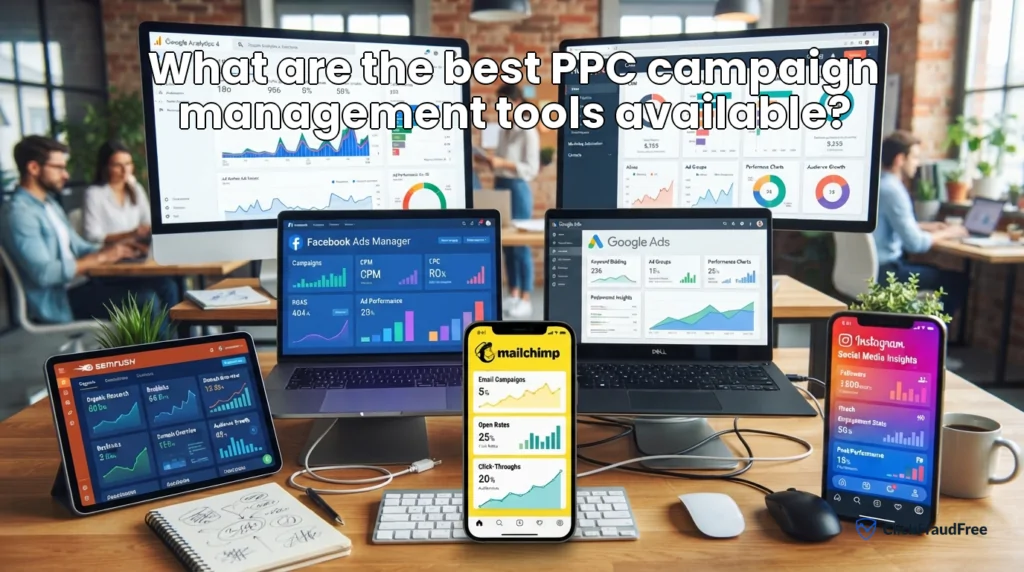
Introduction to PPC Campaign Management Pay-per-click (PPC) campaign management is a critical component of online ...
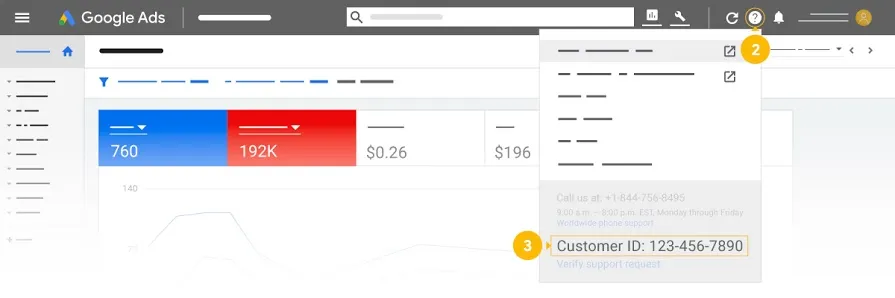
Unraveling the Significance of Google Ads Customer ID In the intricate tapestry of Google Ads, ...

Google Ads Click Fraud Prevention: How Can You Safeguard Your Ad Campaigns? In the highly ...

Understanding Click Fraud Click fraud is a deceptive practice where individuals or automated bots generate ...
Start WhatsApp