
What are the top automated tools for click fraud prevention?
Understanding Click Fraud Click fraud is a deceptive practice where individuals or automated programs mimic ...

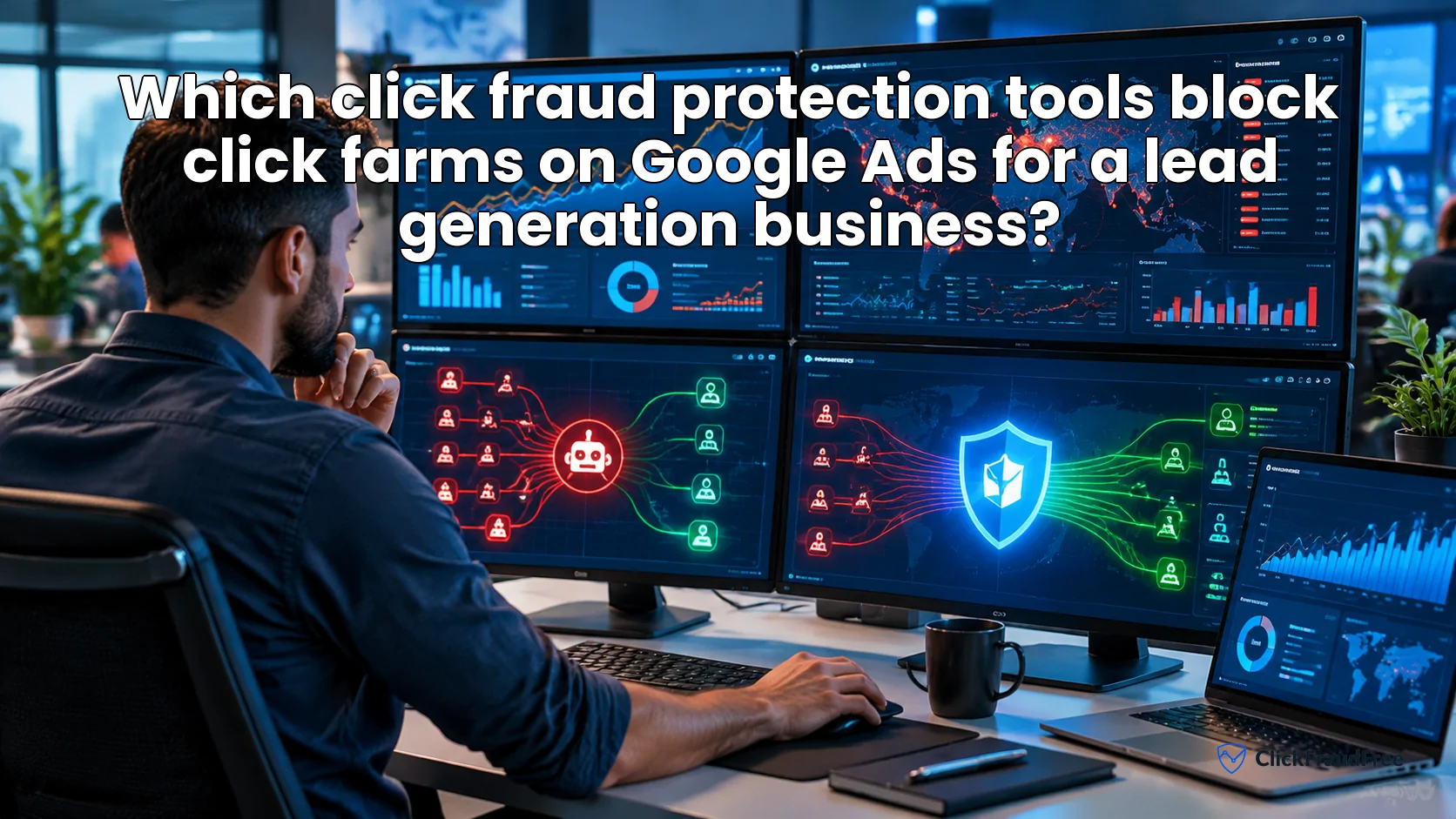
Click farms represent a significant threat to businesses that depend on Google Ads lead generation campaigns to attract qualified prospects and generate revenue. These operations use groups of individuals, automated scripts, or coordinated devices to generate artificial ad clicks that consume advertising budgets without producing genuine business opportunities. For US companies operating in competitive industries such as legal services, HVAC, real estate, healthcare, and financial services, the financial consequences can be substantial. When cost-per-click (CPC) rates reach tens or even hundreds of dollars in certain competitive auctions, fraudulent activity can rapidly reduce the budget available for legitimate customers.
Unlike ordinary advertising inefficiencies, click farm activity deliberately creates misleading engagement signals. A campaign may report hundreds of clicks while generating very few meaningful inquiries, completed forms, or qualified phone calls. Marketing teams may incorrectly respond by increasing bids, expanding budgets, or changing successful keywords, making the problem even more expensive. Click fraud protection for Google Ads helps businesses identify suspicious traffic patterns, reduce exposure to repeated abuse, and focus advertising investment on genuine prospects rather than artificial interactions.
Click farms can distort campaign analytics and make it difficult to distinguish profitable traffic from fraudulent engagement. Repeated invalid clicks can inflate reported advertising costs, weaken conversion rates, and complicate decisions about keyword targeting and landing page optimization. Businesses may also lose opportunities to reach potential customers when limited daily budgets are consumed before high-intent prospects search for their services. In competitive US markets, these losses can directly affect customer acquisition costs and return on ad spend (ROAS).
For lead generation businesses, choosing an automated click fraud prevention tool is a proactive way to strengthen campaign oversight. ClickFraudFree US helps advertisers monitor suspicious activity around the clock, detect potentially malicious traffic, and automate protective actions using connected Google Ads data. By combining behavioral analysis with ongoing traffic monitoring, businesses can make better-informed decisions, protect advertising resources, and build a more reliable foundation for sustainable lead generation.
Effective click fraud protection tools for Google Ads use multiple detection methods to distinguish potentially fraudulent activity from legitimate customer behavior. Click farms can generate traffic through coordinated devices, residential proxies, virtual private networks (VPNs), automated browsers, and repeated interactions designed to resemble genuine users. Because no single indicator reliably proves that a click is fraudulent, modern protection platforms evaluate combinations of behavioral, technical, and campaign-level signals. This approach helps US advertisers identify suspicious activity while reducing the risk of incorrectly classifying real prospects as threats.
Behavior-based detection examines how visitors interact with advertisements and landing pages. Unusual patterns may include repeated clicks within short intervals, unusually consistent interaction timing, excessive activity from related network addresses, or browsing behavior associated with automated tools. Detection systems can also evaluate IP reputation, device characteristics, geographic consistency, and suspicious traffic clusters. ClickFraudFree US combines automated monitoring with behavioral threat analysis to help advertisers identify potentially invalid traffic and respond more quickly when suspicious activity emerges.
Detection is most useful when it leads to timely, appropriate action. A capable platform can analyze incoming traffic, flag unusual patterns, and use available Google Ads integrations to help enforce configured protection rules. Depending on the product’s capabilities and the advertiser’s permissions, responses may include blocking eligible IP addresses or subnets, recording incidents, and generating reports for further investigation. Advertisers should verify exactly which actions are supported by the integration and which require manual approval.
Google Ads also uses its own systems to identify invalid interactions, and eligible invalid clicks may be filtered or credited under Google’s policies. Third-party protection software should complement, not replace, native invalid traffic controls. For US lead generation companies, combining these safeguards with CRM validation and regular campaign audits creates a stronger defense against click farms. The result is better visibility into advertising quality, more informed optimization decisions, and a more disciplined approach to protecting marketing budgets measured in USD.
Selecting the right Google Ads click fraud protection software requires more than comparing subscription prices or counting the number of blocked IP addresses. Lead generation businesses need a solution that can identify suspicious activity quickly, support efficient campaign management, and provide actionable insights into potentially wasted advertising spend. This is especially important for US businesses in high-cost industries, where a small number of invalid clicks can consume a meaningful portion of a daily budget. The strongest solution should align with the advertiser’s campaign structure, lead qualification process, and return on ad spend (ROAS) objectives.
These capabilities are particularly valuable for businesses generating leads through landing pages, calls, appointment requests, and quote forms. Strong solutions should also support conversion tracking and integrate into existing marketing workflows wherever possible. Connecting advertising data with CRM outcomes can help teams distinguish suspicious traffic from genuine visitors who simply do not convert immediately. This broader view supports more accurate decisions about keywords, audiences, bids, and campaign budgets.
Before purchasing a platform, assess its detection transparency, reporting quality, onboarding requirements, customer support, and compatibility with your Google Ads account. Ask how it measures false positives, how frequently detection rules are updated, and what safeguards prevent legitimate prospects from being blocked. Businesses should also compare monthly software costs against their estimated exposure to invalid traffic rather than assuming every flagged click represents a recoverable loss. A credible provider will explain its limitations and distinguish estimated savings from verified refunds or measured performance improvements.
ClickFraudFree US is designed to help advertisers strengthen Google Ads defenses through automated monitoring, behavioral threat detection, supported IP and subnet protection workflows, and assistance with invalid-click claim preparation. For US lead generation teams, the objective is to reduce avoidable advertising waste while preserving access to genuine potential customers. Choose software that provides measurable evidence, transparent controls, and a practical path to improving campaign efficiency. A well-evaluated solution can help protect budgets, improve confidence in reporting, and support more sustainable customer acquisition.
For US lead generation businesses investing in Google Ads, every click represents an opportunity to acquire a qualified prospect. However, fraudulent traffic from click farms, automated bots, competitors, and suspicious proxy networks can consume advertising budgets without generating legitimate inquiries. In industries such as legal services, HVAC, insurance, real estate, and home improvement, where competitive keywords can carry high cost-per-click (CPC) rates, repeated invalid clicks can significantly reduce campaign profitability. Choosing the right automated click fraud prevention tool for Google Ads is therefore essential to protecting advertising budgets and improving return on ad spend (ROAS).
When comparing click fraud protection platforms, lead generation companies should evaluate how effectively each solution detects suspicious traffic and prevents repeat offenders from interacting with advertisements. Basic monitoring tools may identify unusual click activity after advertising costs have already accumulated, whereas advanced solutions combine real-time behavioral analysis, automated IP blocking, and direct Google Ads API integration. These capabilities help advertisers identify malicious sources, quarantine suspicious IP addresses and subnets, and reduce unnecessary spending before fraudulent activity causes further damage.
ClickFraudFree US addresses these requirements with automated 24/7 click protection, behavior-based threat detection, IP and subnet quarantining, and invalid-click claim generation. For lead generation businesses, combining these capabilities with regular conversion tracking and lead-quality analysis creates a more complete advertising protection strategy. The objective is not simply to reduce click volume, but to preserve budget for genuine prospects who are more likely to become paying customers.
Repeated fraudulent clicks can become a serious financial problem for US businesses running competitive Google Ads campaigns. A single malicious visitor may repeatedly interact with advertisements, consuming budget that should be reaching potential customers. Click farms, automated scripts, competitor abuse, and suspicious proxy networks can generate traffic that appears legitimate at first glance but produces little or no meaningful engagement. Real-time IP blocking helps address this problem by identifying suspicious sources and preventing recognized repeat offenders from continuing to interact with protected advertising campaigns.
Automated click fraud prevention platforms analyze incoming traffic using signals such as IP addresses, click frequency, geographic patterns, session behavior, and historical activity. When a visitor meets defined fraud-risk criteria, the platform can automatically add the associated IP address to a protection or quarantine workflow. With direct Google Ads API integration, supported exclusion updates can be applied without requiring an advertising manager to manually investigate and enter every suspicious address. This reduces response delays and helps businesses maintain consistent protection across their campaigns.
Businesses should understand that IP blocking is not a standalone solution. Fraudsters can change IP addresses, rotate proxies, use shared networks, or access campaigns through mobile connections. Overly aggressive exclusions can also affect legitimate customers who share an address or network. For this reason, ClickFraudFree US combines automated IP and subnet quarantining with behavioral threat detection to identify suspicious activity more accurately. This layered approach helps lead generation companies protect their Google Ads investment while maintaining access for genuine prospects and potential customers.
Identifying click fraud requires more than checking how many times an advertisement has been clicked. Modern click farms and automated bots can imitate ordinary browsing activity, generate repeated advertising interactions, and use proxy or VPN networks to disguise their origins. For US lead generation businesses, this creates a significant challenge because fraudulent visitors can inflate traffic statistics, consume Google Ads budgets, and distort campaign performance reports. Behavioral analysis for click fraud detection helps uncover these threats by examining how visitors interact with advertisements, landing pages, and website elements.
Advanced click fraud protection platforms evaluate multiple behavioral indicators to distinguish suspicious activity from genuine customer interest. These indicators may include unusually rapid click sequences, repetitive session patterns, abnormal browsing durations, inconsistent device signals, suspicious geographic activity, and interactions associated with headless browsers or automated scripts. Click farms can also produce groups of visitors displaying similar behavior across multiple IP addresses. By combining these signals with historical traffic information, automated detection systems can identify patterns that traditional IP-only filtering may overlook.
For businesses generating leads through legal, insurance, medical, real estate, or home service advertisements, these insights can help separate genuine prospects from suspicious traffic before advertising budgets are unnecessarily depleted. ClickFraudFree US uses behavior-based threat detection alongside automated IP and subnet quarantining to provide continuous protection for Google Ads campaigns. Its 24/7 monitoring approach helps identify potentially malicious activity, support faster defensive actions, and maintain cleaner advertising data. When combined with conversion tracking, lead validation, and regular campaign analysis, behavioral fraud detection gives marketing teams greater visibility into traffic quality and helps improve long-term ROAS.
For US businesses that rely on Google Ads to generate qualified leads, every click should represent a potential customer. However, click fraud can drain PPC advertising budgets by directing paid traffic toward websites and landing pages through malicious bots, click farms, competitor click abuse, and other sources of invalid activity. These fraudulent interactions consume advertising spend without producing genuine inquiries, booked appointments, phone calls, or sales opportunities. In highly competitive industries such as legal services, HVAC, real estate, and healthcare, where cost-per-click (CPC) can reach substantial levels, even a modest volume of fraudulent clicks can create significant financial losses.
The impact extends beyond wasted advertising dollars. Repeated invalid interactions can distort campaign analytics, inflate click-through rates, reduce the apparent conversion rate, and make it difficult to determine which keywords and audiences generate profitable leads. Marketing teams may respond by increasing budgets, changing bidding strategies, or pausing otherwise effective campaigns based on misleading performance data. Implementing click fraud protection for Google Ads lead generation campaigns helps businesses identify suspicious traffic patterns and distinguish potentially fraudulent activity from legitimate prospects before it undermines campaign performance.
Click farms can generate repeated ad interactions through coordinated human activity, automated scripts, or combinations of devices and network addresses. Some operations attempt to distribute clicks across multiple IP addresses or use proxy and VPN networks to make their traffic harder to identify. Basic IP-blocking solutions may struggle to detect these coordinated patterns when individual addresses appear legitimate. Effective protection therefore combines behavioral analysis, click frequency monitoring, device signals, and network intelligence to identify suspicious activity more accurately.
ClickFraudFree US helps businesses strengthen Google Ads security with automated click-fraud detection and prevention designed for demanding North American advertising markets. By monitoring suspicious activity around the clock, advertisers can focus more of their budget on genuine prospects, improve visibility into lead acquisition costs, and work toward a stronger return on ad spend (ROAS). The goal is straightforward: protect every advertising dollar that can be protected and create better conditions for sustainable lead generation growth.
Integrating click fraud protection with Google Ads is an important step for US businesses that depend on paid search to generate sales inquiries, quote requests, consultations, and service appointments. A dedicated Google Ads click fraud protection tool can analyze advertising interactions, identify suspicious behavior, and help marketing teams respond before invalid traffic repeatedly consumes campaign budgets. For lead generation companies operating in competitive markets, automation reduces the need to investigate every suspicious click manually and creates a more consistent approach to advertising security. The most effective solutions combine traffic intelligence, behavioral signals, reporting, and clearly defined response workflows.
When evaluating a platform, businesses should examine its integration method, detection capabilities, reporting transparency, and ability to support their existing campaign structure. For example, direct Google Ads API integration can help a compatible security platform access authorized advertising data and coordinate supported campaign-management actions. Depending on the provider and permissions granted, these capabilities may support automated IP exclusions, suspicious-traffic monitoring, or campaign-level security workflows. Advertisers should verify the exact features available, API permissions required, and applicable Google Ads limitations before enabling automatic enforcement.
ClickFraudFree US is designed to help North American advertisers strengthen their Google Ads defenses through automated monitoring, behavioral threat detection, and supported advertising integrations. Its approach can help businesses identify malicious bots, suspicious proxy or VPN traffic, and potential click-farm activity while reducing reliance on manual investigation. Because no detection system can guarantee that every fraudulent click will be identified or blocked, businesses should regularly review results, verify integration permissions, and ensure that legitimate customers are not accidentally excluded. A carefully configured automated defense strategy helps protect advertising budgets while preserving opportunities to acquire qualified leads.
Measuring click fraud prevention performance requires more than counting blocked IP addresses or suspicious clicks. For US businesses investing in Google Ads lead generation, the real objective is to understand whether a protection platform helps reduce invalid traffic, preserve advertising budgets, and improve the cost of acquiring qualified customers. A meaningful evaluation combines click-level signals with campaign expenditure, conversion tracking, lead quality, and sales outcomes. By establishing a reliable baseline before implementing automated protection, advertisers can assess changes over time and make better-informed decisions about their PPC investment.
Start by reviewing historical campaign performance over a representative period, accounting for changes in budget, seasonality, geographic targeting, competition, and bidding strategy. Record key metrics such as advertising spend, total clicks, average CPC, conversion rate, cost per lead, qualified lead rate, and customer acquisition cost. Next, compare these measurements with the protection platform’s suspicious-traffic detections, exclusion records, and available invalid-click estimates. Lower advertising costs and stronger lead quality can indicate progress, but results should be interpreted carefully because changes in targeting, auction conditions, and sales processes can also affect performance.
Google may identify certain invalid interactions and automatically adjust billing or provide credits where applicable. Advertisers can review available account reporting and billing adjustments to understand how invalid activity has been handled. For potentially unrecognized invalid clicks, document the relevant campaign, dates, click patterns, and supporting evidence before contacting Google Ads support through the appropriate process. A third-party platform may help organize evidence or prepare a claim, but refunds are not guaranteed, and Google determines eligibility under its own policies and review procedures.
ClickFraudFree US helps advertisers approach PPC security through continuous monitoring, automated detection, and actionable reporting. By connecting suspicious-traffic findings with cost-per-lead trends, conversion quality, and billing records, businesses can build a clearer picture of advertising efficiency. The strongest measurement strategy focuses on verified outcomes instead of inflated savings claims, helping marketing teams demonstrate the financial value of click fraud prevention and allocate more of their USD advertising budget toward legitimate customer acquisition.
Generating qualified leads through Google Ads requires a consistent advertising investment, precise targeting, and effective campaign management. However, businesses across the United States face an increasingly costly challenge: click fraud generated by click farms, automated bots, malicious competitors, and invalid traffic networks. These fraudulent interactions consume advertising budgets without producing genuine customer inquiries, reducing conversion rates and damaging return on ad spend (ROAS). For businesses operating in competitive industries such as legal services, HVAC, real estate, healthcare, and home improvement, even a small volume of fraudulent clicks can translate into significant financial losses, particularly when average cost-per-click (CPC) rates are high.
ClickFraudFree US provides an automated click fraud protection solution designed to help American businesses identify, monitor, and prevent suspicious activity across Google Ads campaigns. Its intelligent detection technology analyzes visitor behavior, identifies abnormal clicking patterns, and helps distinguish legitimate prospects from potentially fraudulent traffic. By detecting threats such as rapid repeated clicks, headless browsers, suspicious IP addresses, proxy connections, VPN networks, and coordinated click farm activity, the platform helps advertisers reduce wasted spending and concentrate their budgets on genuine acquisition opportunities.
Unlike manual monitoring methods, automated click fraud prevention enables businesses to respond to suspicious activity around the clock. ClickFraudFree US combines behavior-based threat detection with direct Google Ads API integration to support rapid IP and subnet blocking when suspicious activity meets configured protection criteria. This approach helps reduce repeated exposure to fraudulent visitors while giving marketing teams greater visibility into traffic quality.
Protecting advertising budgets is only part of an effective lead generation strategy. By identifying invalid interactions and reducing exposure to suspicious traffic, businesses can make better use of their available Google Ads budgets and evaluate campaign performance using more meaningful engagement data. Key advantages include:
Whether you manage a local service business, a growing e-commerce operation, or multiple client accounts through a PPC agency, protecting every advertising dollar matters. ClickFraudFree US delivers an automated approach to Google Ads click fraud detection and prevention, helping businesses take control of suspicious traffic before it undermines campaign performance. Choose a smarter way to protect your lead generation campaigns, strengthen advertising efficiency, and pursue more profitable growth in the competitive North American digital advertising market.

Understanding Click Fraud Click fraud is a deceptive practice where individuals or automated programs mimic ...

Understanding Click Fraud Click fraud is a malicious activity where individuals or automated scripts generate ...

Understanding Click Fraud in Digital Advertising In the fast-paced world of digital advertising, click fraud ...

The Importance of Real-Time Analysis in Click Fraud Prevention Within the ever-evolving landscape of digital ...
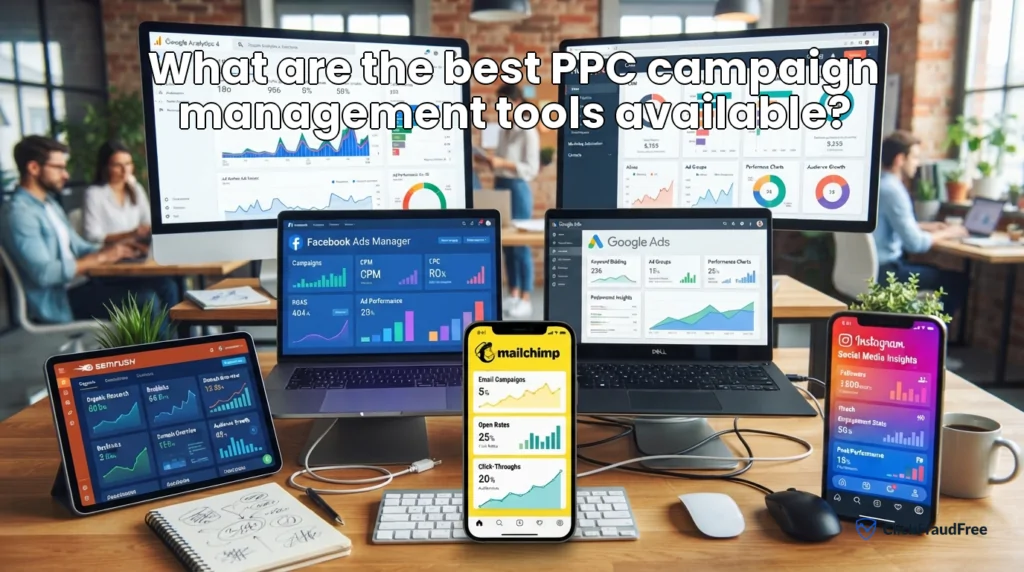
Introduction to PPC Campaign Management Pay-per-click (PPC) campaign management is a critical component of online ...

Introduction to ClickFraudFree ClickFraudFree is a cutting-edge solution designed to safeguard your Google Ads campaigns ...

Customer Satisfaction Insights With ClickFraudFree’s advanced click fraud prevention services, our clients consistently express high ...

Understanding Click Fraud in Google Ads Click fraud is a significant challenge in the world ...

Understanding Click Fraud Click fraud is a deceptive practice where individuals or automated bots generate ...
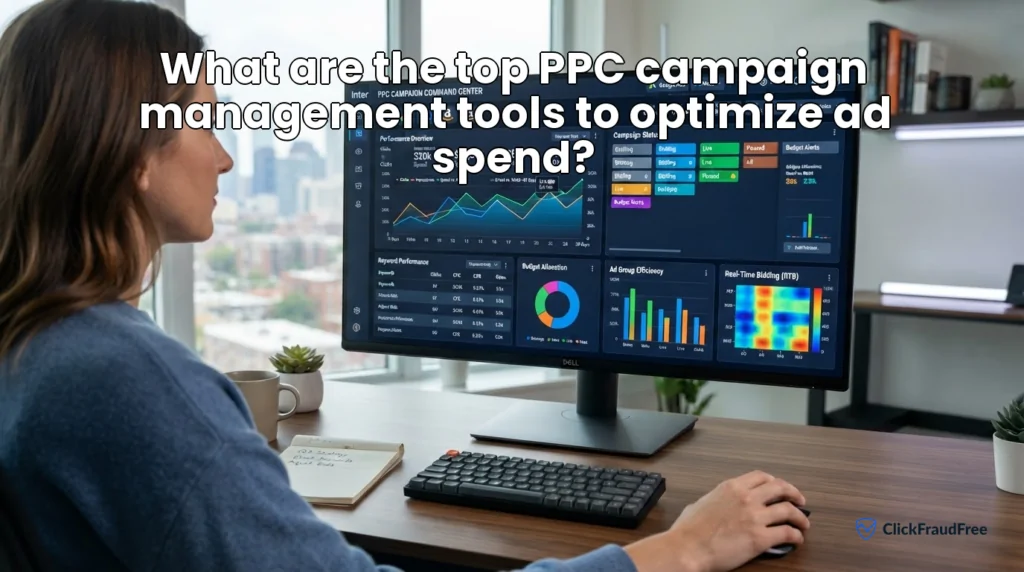
Introduction to PPC Tools In the ever-evolving landscape of digital marketing, PPC (Pay-Per-Click) campaign management ...

Introduction to PPC Campaign Management Pay-per-click (PPC) campaign management is an essential strategy for businesses ...

The importance of Click Fraud Software In the ever-evolving landscape of digital marketing, the rise ...
Start WhatsApp